
Türkiye Cyber Security Cluster continues to bring its members together with public institutions.
Türkiye Cyber Security Cluster continues its efforts to strengthen the local and national cyber security ecosystem by bringing its members together with public institutions. These meetings aim to provide local solutions to the cyber security needs of both the public and private sectors and to increase Turkey's independence in the field of cyber security.
by Türkiye Cyber Security Cluster April 30, 2026 on At the State Supply Office carried out 47th Public Cyber Security Day Event edited.
Aryom Yazılım Introduced its Integrated Cyber Security and Compliance Platform for the Public with DGRNET One
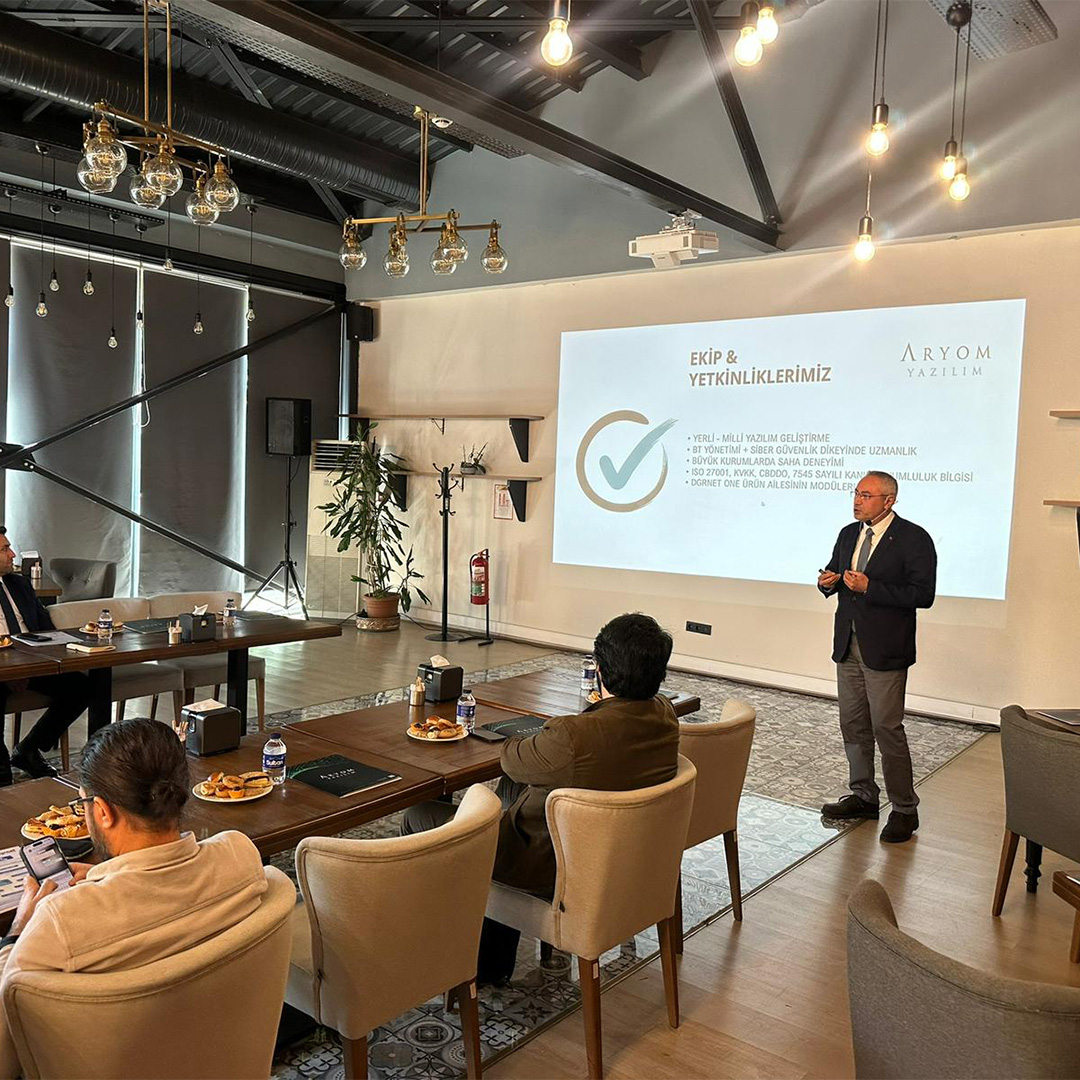
In the special session held at DMO Local with the participation of public officials, Aryom Software made a comprehensive presentation of its domestic software, DGRNET One, which enables institutions to manage their cyber security, information security, asset management and compliance processes on a single platform. During the event, the added value provided by the DGRNET One platform, developed for the increasing regulation, auditing, cyber security and operational process management needs of public institutions, was explained in detail. In the presentation, it was emphasized that DGRNET One offers a centralized, sustainable and traceable management capability to institutions in their compliance processes with national and international requirements such as the Presidential Digital Transformation Office Information and Communication Security Guide, ISO 27001, KVKK, SOME processes and Cyber Security Law No. 7545.
It was stated that thanks to the modular architecture of the platform, asset discovery, asset management, service management, vulnerability management, risk management, ISMS processes, action tracking, audit preparation and reporting processes can be gathered under a single roof. It was stated that thanks to this structure, institutions can manage dispersed processes carried out by different units through a central system, create process ownership and become more prepared for audits.
In the technical explanation section, DGRNET One's user-friendly interface, flexible modular structure and scalable infrastructure according to corporate needs were shared with the participants. It was explained with sample scenarios that the platform reduces manual tracking processes, increases corporate efficiency and provides transparency in cyber security and compliance processes with the automation and reporting capabilities offered by the platform.
It was stated that DGRNET One offers an integrated solution to these needs, by drawing attention to problems such as dispersed inventory structure, manual Excel follow-ups, inability to monitor actions, and inability to manage vulnerability and risk processes centrally, which are frequently encountered in institutions. It was emphasized that thanks to the advanced dashboard and reporting features of the platform, instant, accurate and decision support-oriented outputs can be produced for technical teams, managers and senior management.
Within the scope of the event, the critical role of integrated platform use in the digital transformation and cyber security maturity journeys of public institutions was also touched upon. DGRNET One is not only for technical teams; It was stated that it offers a common management language for different stakeholders such as information security, law, human resources, administrative affairs, quality, internal audit and senior management.
Aryom Software contributes to institutions in the public and private sectors to manage their cyber security, compliance and audit processes more effectively with its domestic software solutions; He stated that he will continue his efforts to increase the digital security maturity of institutions.
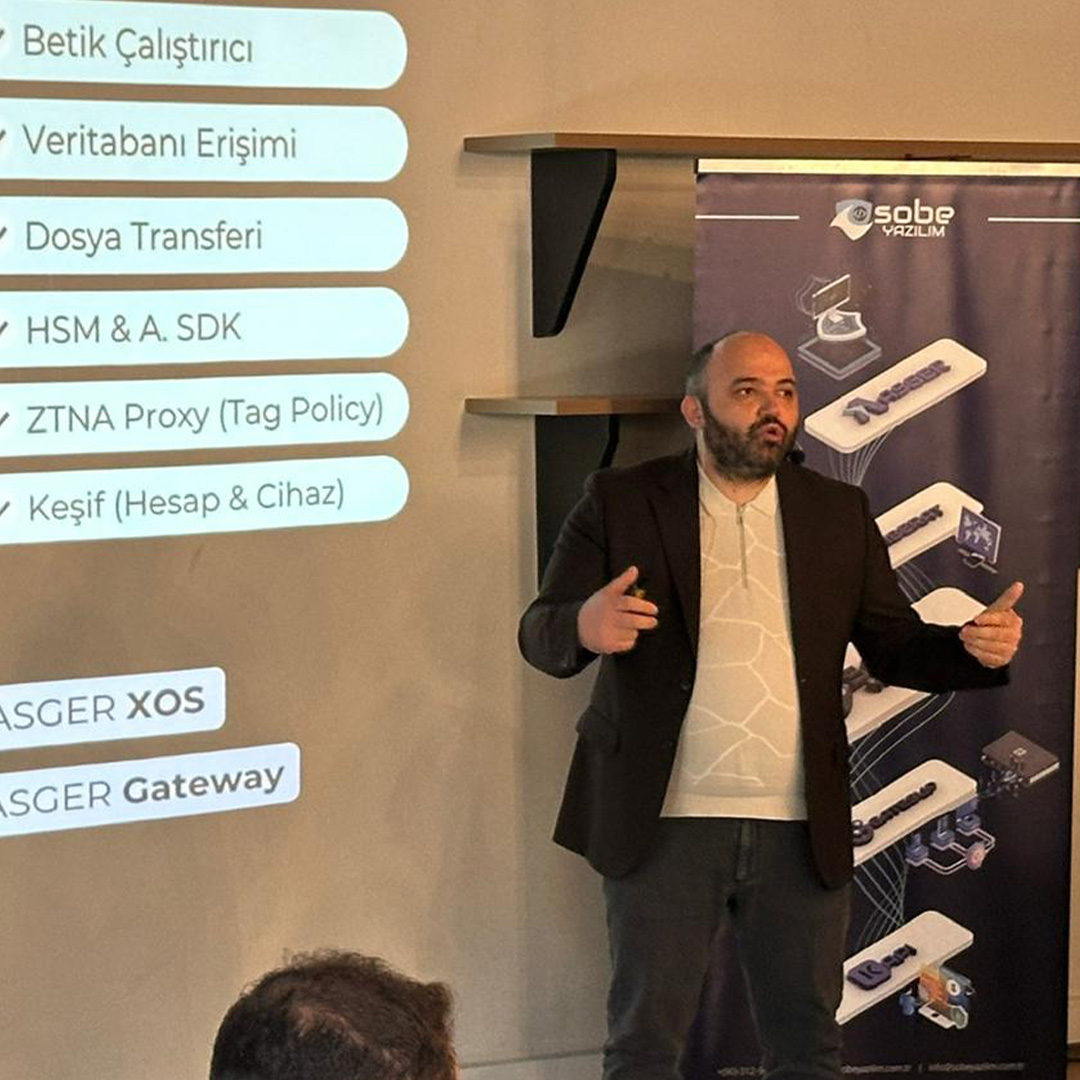
SOBE Yazılım Introduced Zero Trust Based Privileged Access Management Solution with ASGER
SOBE Yazılım made a comprehensive presentation of its domestic solution ASGER, which reconsiders privileged access management with Zero Trust architecture. During the event, the security vulnerabilities encountered in classical VPN and traditional remote access models were pointed out and the secure, controlled and traceable access approach offered by ASGER to institutions was explained in detail.
In the presentation, it was stated that in classical remote access structures, once the user is authenticated, he can obtain a wide access tunnel to the internal network; However, it was emphasized that most of the time, it cannot be adequately tracked from which device, at what security level and with what transactions the access took place. It was stated that ASGER eliminates this risk at the architectural level by proxying all connections through the platform, without directly connecting the user to the target system.
It was stated that within the scope of the Zero Trust approach offered by the platform, permanent authorizations were removed and access permissions were granted only when needed and for a specified period of time. With ASGER's ZTNA module, device security posture is evaluated in 13 different categories before each connection; It was stated that operating system patches, antivirus status, disk encryption, EDR use, USB control and similar criteria directly affect access policies. It was stated that if the security posture of the device drops, the active session can be interrupted immediately, and when the device becomes compatible again, access can be opened automatically.
In the technical explanation section, it was stated that ASGER has a policy structure that works on dynamic tags instead of static IP lists. It was emphasized that access decisions can be managed in a more flexible, up-to-date and risk-oriented manner thanks to labels such as Compliant, HighRisk and CriticalAccess. Thus, institutions can only ask “who accessed?” not to the question; “From which device, in what security state, and what operations did it perform?” It was reported that he was able to produce clear answers to questions.
One of the highlights of the presentation was that ASGER increased the security level without changing the user experience. The platform is compatible with tools commonly used in institutions such as PuTTY, mstsc and DBeaver; It was stated that ASGER Connector establishes a secure connection with mTLS in the background and the credentials are injected into the target system via Vault. It was stated that thanks to this structure, users do not directly enter or see passwords, and access processes are centrally controlled.
Within the scope of the event, the operational conveniences provided to institutions by combining PAM and ZTNA capabilities in a single control plane and under a single platform were also mentioned. It was emphasized that ASGER contributes to increasing the security maturity of public institutions by providing visibility, auditability and instant risk control in privileged access processes. SOBE Yazılım stated that it will continue to contribute to institutions' secure remote access, privileged account management and Zero Trust transformation processes with its domestic and innovative solutions.
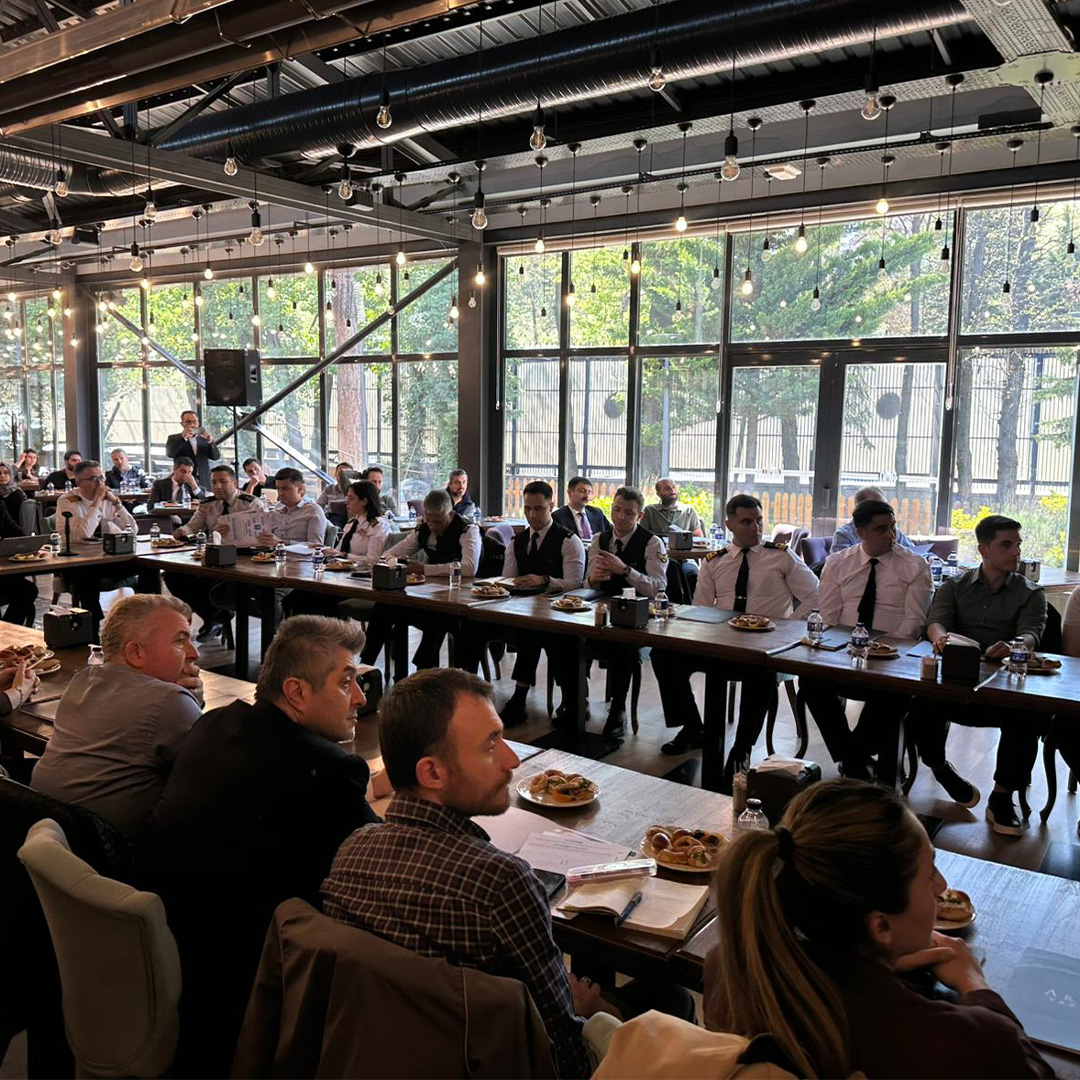
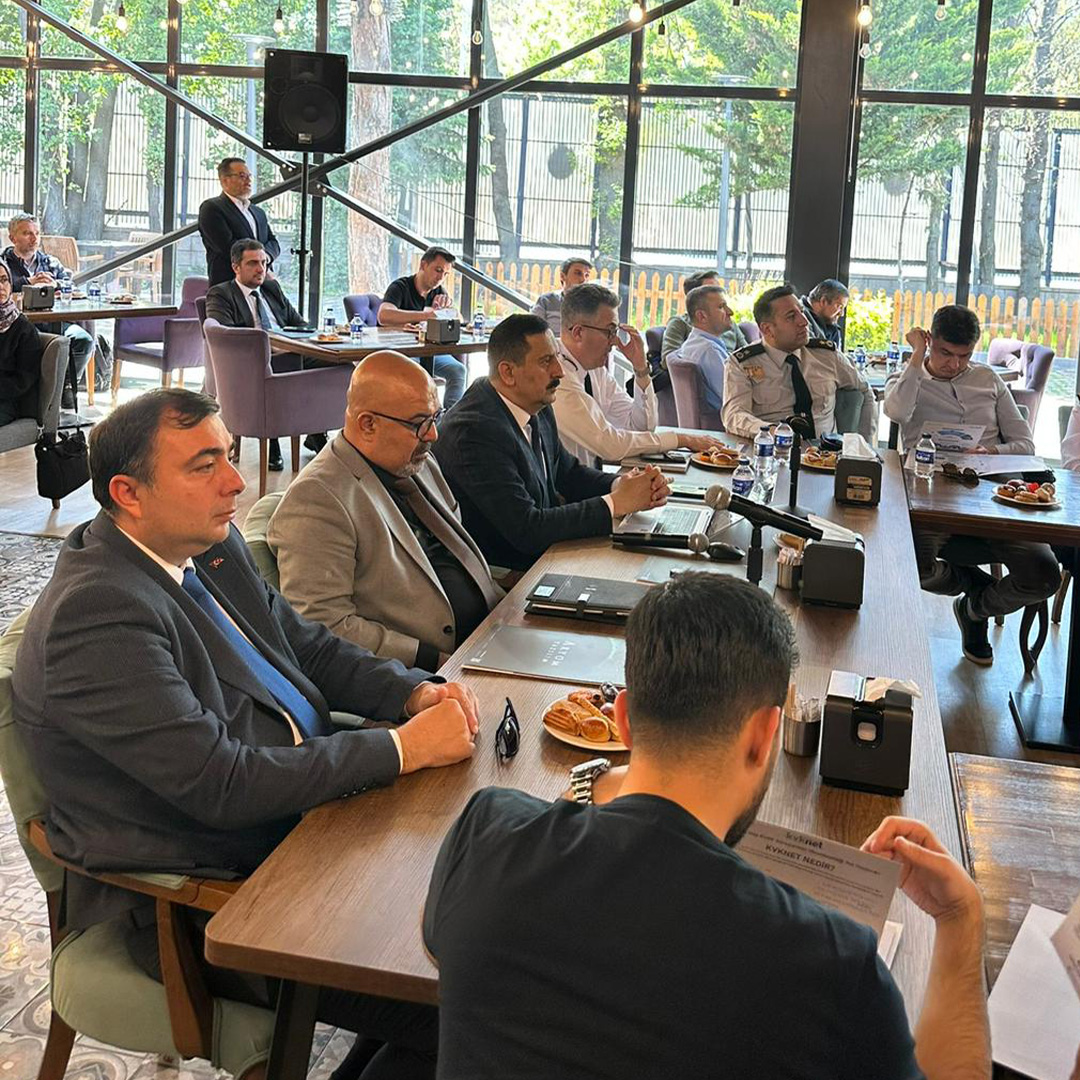
By the Turkish Cyber Security Cluster with the support of the Presidency of Defense Industries and the Presidency of Cyber Security. 47th event organized; Ministry of Justice, AFAD, Anadolu Agency, Presidency Strategy and Budget Directorate, Ministry of Labor and Social Security, General Directorate of State Airports Authority, Naval Forces Command, Ministry of Energy, General Directorate of Security, Department of Combating Cyber Crimes, Ministry of Youth and Sports, Ministry of Treasury and Finance, General Staff MEBS Directorate, Halkbank, Red Crescent, Gendarmerie General Command MEBS Directorate, Public Oversight, Accounting and Auditing Standards Authority, Land Forces Command, General Directorate of Highways. Directorate, Ministry of National Defense, Personal Data Protection Authority, Machinery and Chemical Industry Inc., General Directorate of Meteorology, Ministry of National Education, General Secretariat of the National Security Council, General Directorate of MTA, General Directorate of Population and Citizenship Affairs, General Directorate of Forestry, General Directorate of Civil Aviation, General Directorate of Land Registry and Cadastre, RTÜK, Ministry of Health, Coast Guard Command, Ministry of Industry and Technology, Insurance Information and Surveillance Center, Social Security Institution, Ministry of Agriculture and Forestry, Turkish Sugar Factories Inc., Senior managers and decision makers from the General Directorate of Soil Products Office, TRT Information Technologies Department, TÜBİTAK BİLGEM, Turkish Cooperation and Coordination Agency, Turkish Employment Agency, Turkish Health Institutes, Vakıfbank, Supreme Election Board and Air Force Command attended.
Gallery