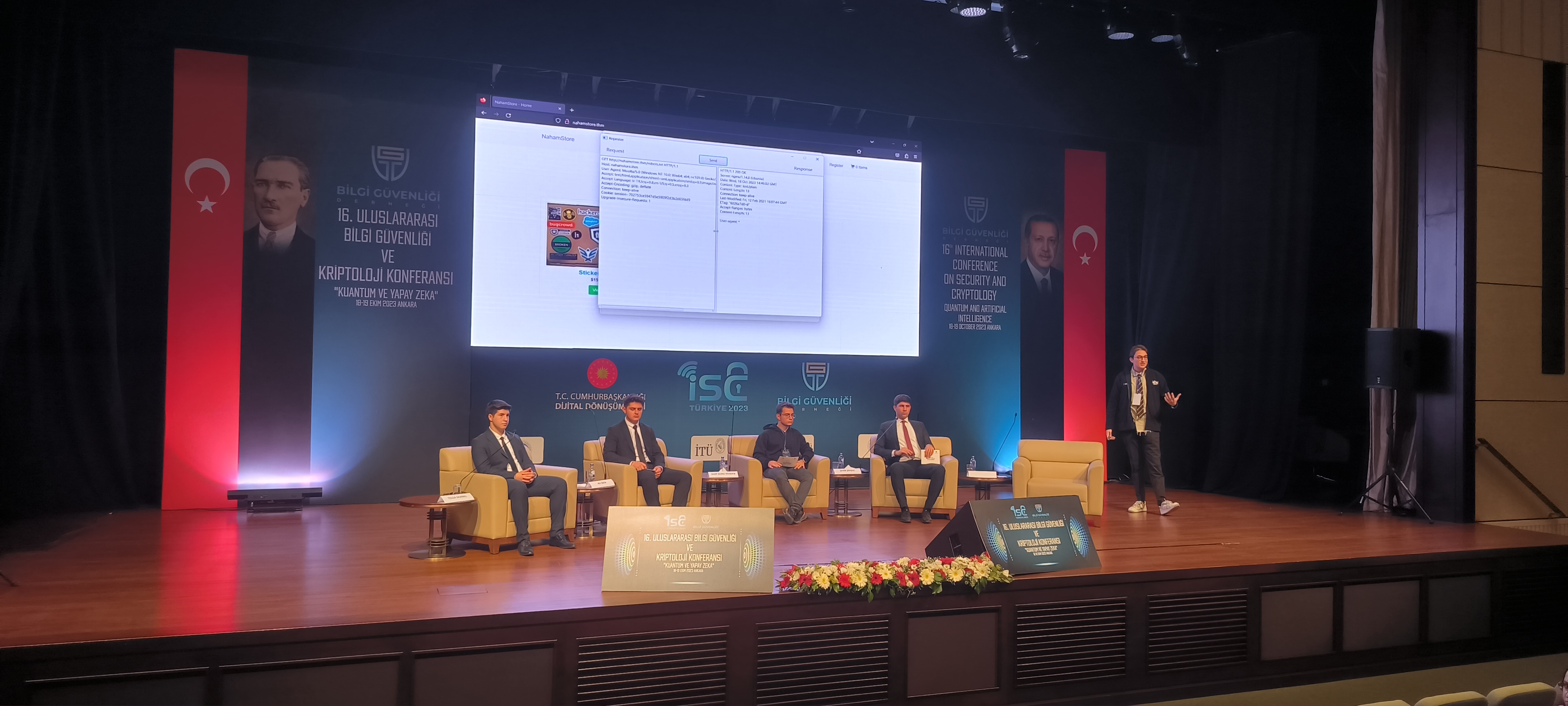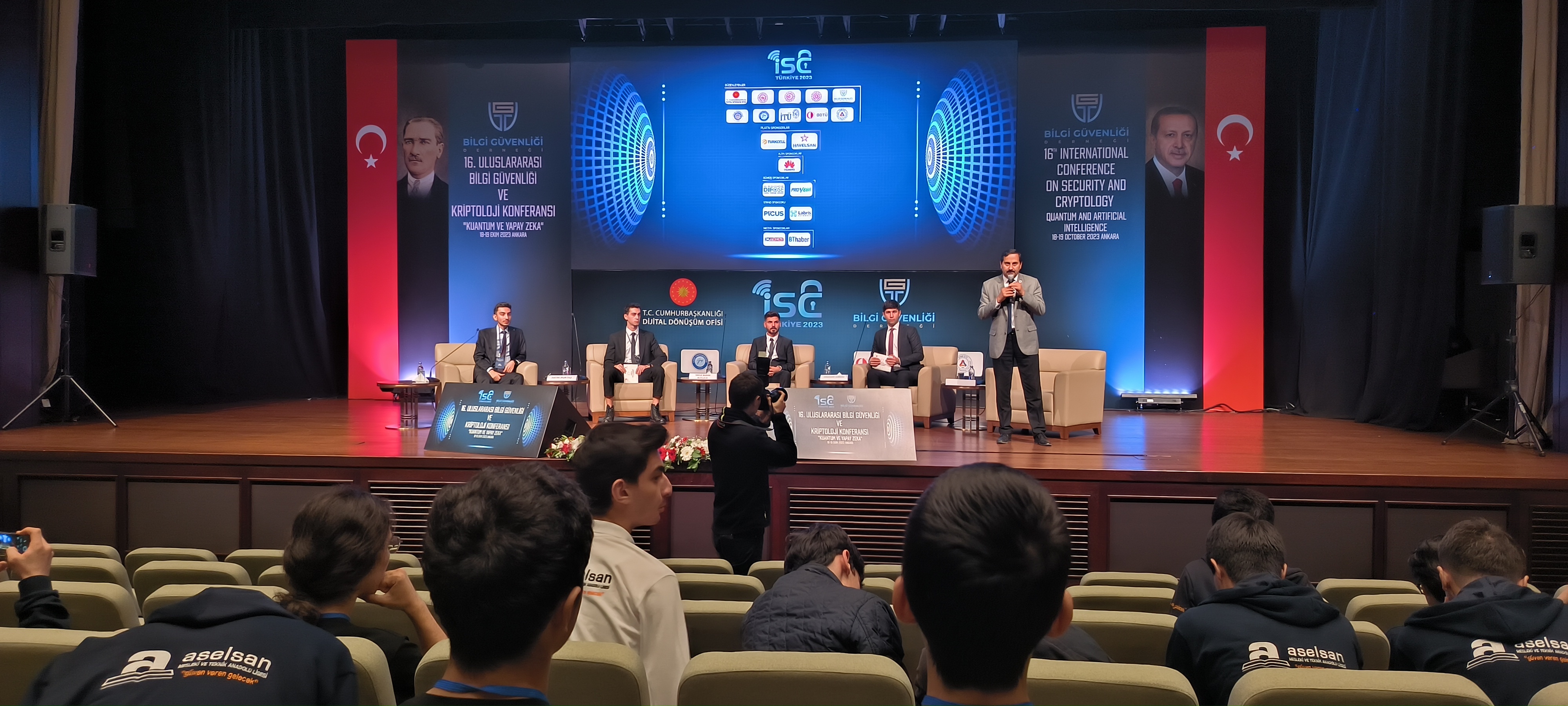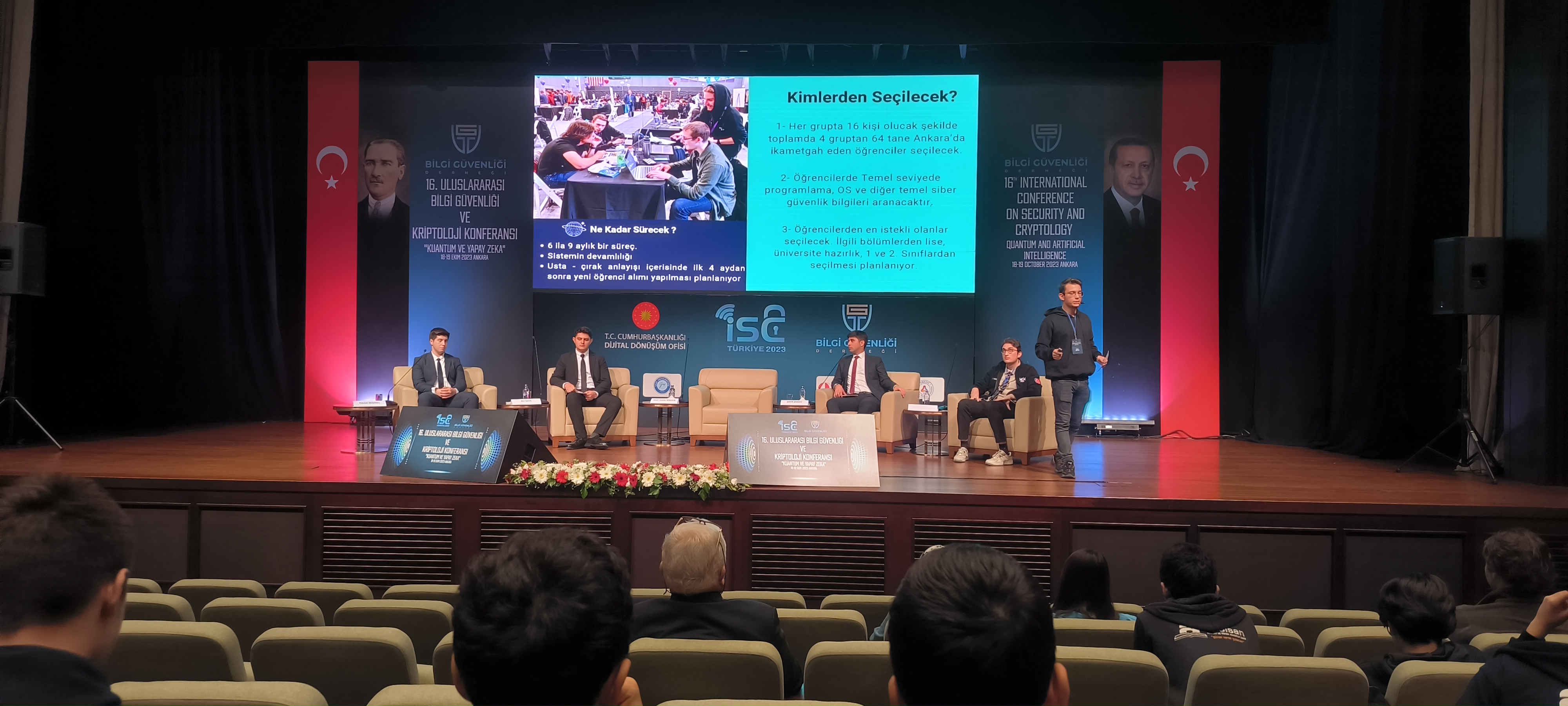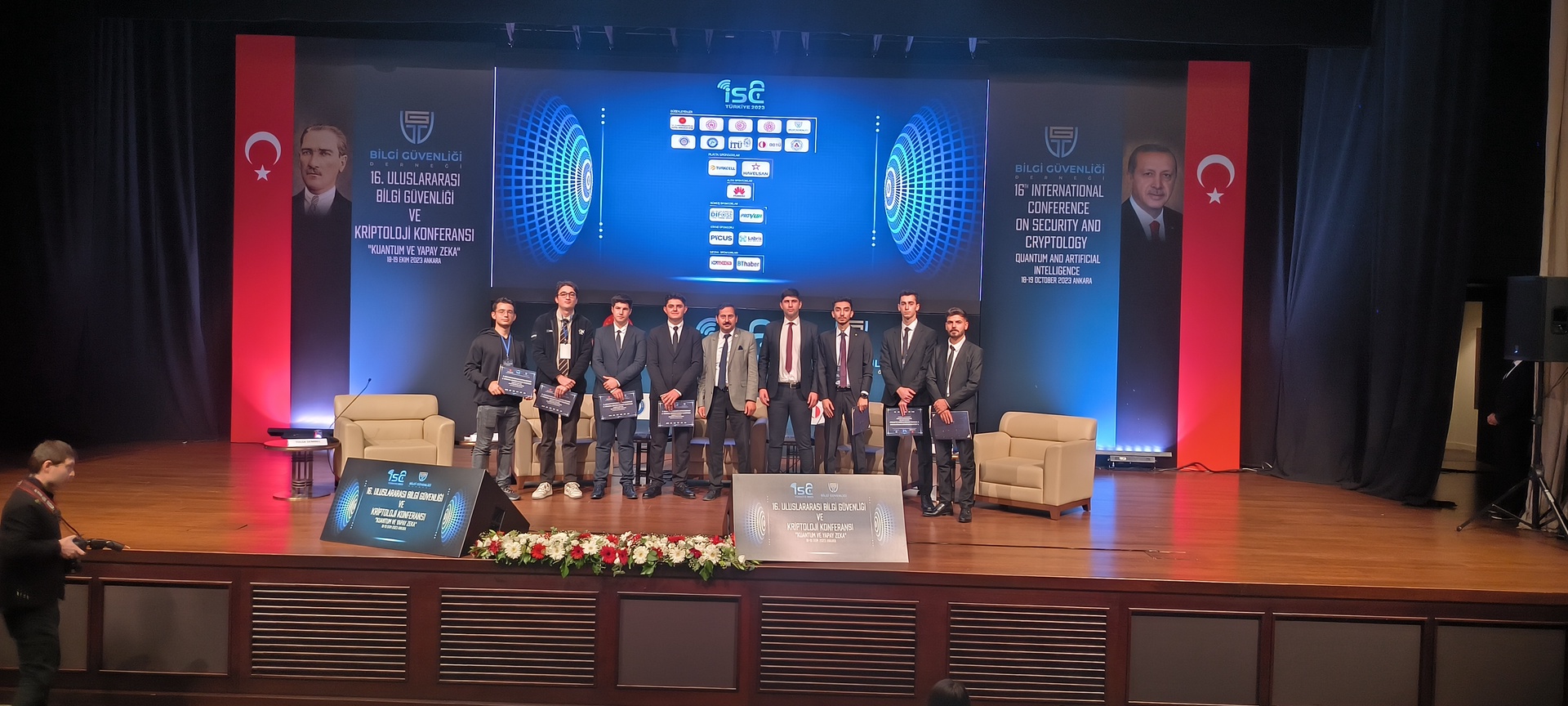
We took part in two separate sessions on the second day of the 16th ISC TURKEY International Information Security and Cryptology Conference, organized by the Information Security Association at the National Library on 18-19 October this year.
6 students who have done successful work in the field of cyber security explained their projects to the audience.
Türkiye Cyber Security Cluster Training Expert Eren HasipekAtatürk University Management Information Systems student, in the sessions moderated by Oguzhan Karasu, developed by themselves Cyberorbit Applied Web Penetration Training PlatformHe introduced.
Oğuzhan Karasu, Cyberorbit; He stated that it is an educational platform that offers cyber security training to participants by offering Capture the Flag (CTF) competitions and web security practice.
In his presentation, Karasu emphasized that this training, which is full of CTF categories and examples, is a platform that helps you improve your cyber security skills and gain knowledge about protecting web applications with Turkish language options and real-life scenarios.
Then he became a Hacettepe University Computer Instructional Technologies Education student. Yavuz Burak Kutluca, developed by themselves sechunt He explained the platform they named.
Kutluca; He stated that it is a comprehensive cyber security awareness platform supported by plug-ins and scoring system, developed to reduce employee-related vulnerabilities in institutions through cyber security awareness training and phishing simulations.
TED University Computer Engineering student Fatih PurtaşHe stated that the cyber security issue in educational institutions is ignored and that the sector most attacked by cyber criminals is the education sector. He touched upon what types of attacks cyber criminals carry out and the recent cyber attacks on universities in Türkiye. Developed by themselves as a solution EduSecHe presented and said, "Within the scope of EduSec, phishing e-mails are regularly sent to universities and training is provided. In addition, the data of students and employees are kept safe by establishing detection and response mechanisms for cyber attacks. It is also a ministry-level project and aims to ensure that all educational institutions receive mandatory consultancy services. It is in cooperation with the cyber security communities in universities." he said.
Ankara University Computer Engineering student Sarp Dora Direction, developed by themselves Cassia Hunter introduced its product.
In terms of product; He emphasized that he was able to examine each request and response and find and flag potential vulnerabilities. He underlined that it is an open source web application security tool that performs marking using the proxy feature it contains, has an easy-to-use, customizable interface, and tries to combine the best aspects of popular tools in the bug bounty field such as BurpSuite, OWASP ZAP and Nuclei.
METU Computer and Instructional Technologies Education student Şakir Şimşek, developed by themselves Cyberhawk He evaluated the project as a training model designed to train "wanted personnel, not intermediate personnel" in Cyber Security.
Stating that Cyber Atmaca can be a valuable resource for organizations that need experts trained in the field of cyber security, Şimşek said, "This model contributes to increasing security in the digital world by providing students with a strong foundation in the field of cyber security. In this way, it is an education model designed to create a more effective and prepared society against cyber threats." he said.
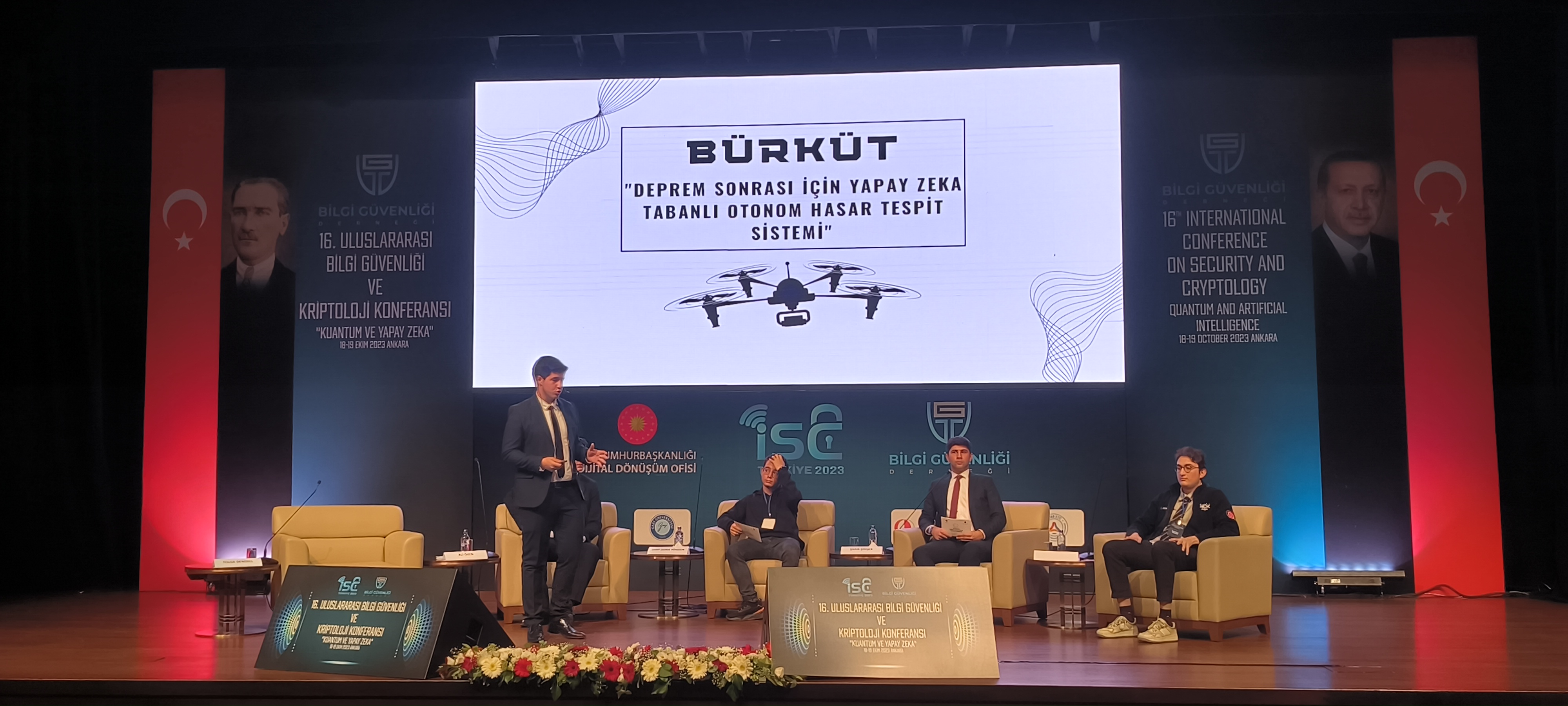
Gazi University Computer Engineering students Tolga Demirel and Ali Özen, developed by themselves Bürküt introduced its product. Stating that they developed it based on the fact that we are an earthquake country, Demirel and Özen emphasized that it is an artificial intelligence-based autonomous damage detection system.
He underlined that Bürküt flew autonomously in the area during the earthquake and transferred images independently of telephone and internet lines. The images were examined by the pre-trained artificial intelligence model and presented to the emergency authorities as files with the coordinates and images of the damaged areas.
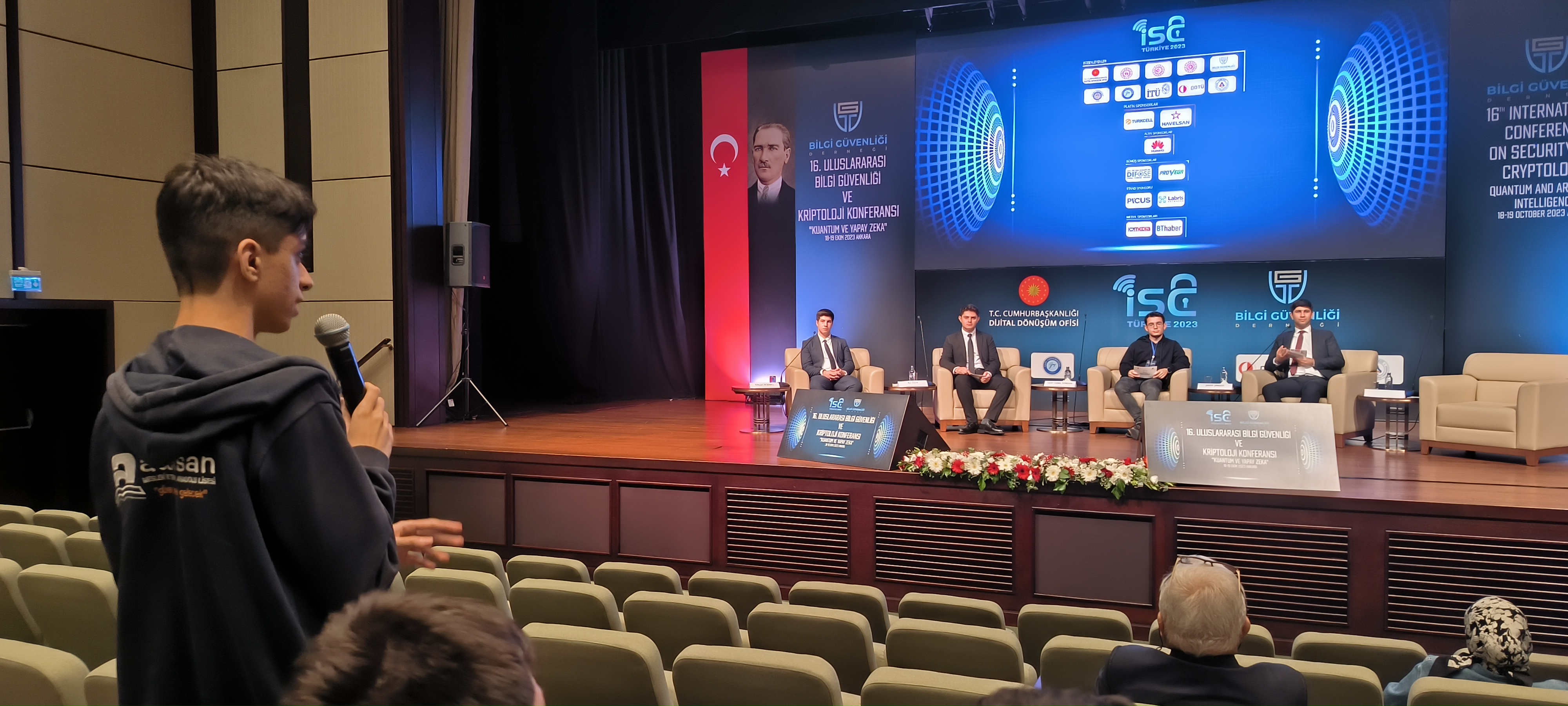
Many questions were asked in both sessions, which were watched with interest by the audience, and the students who presented their projects answered all the questions.
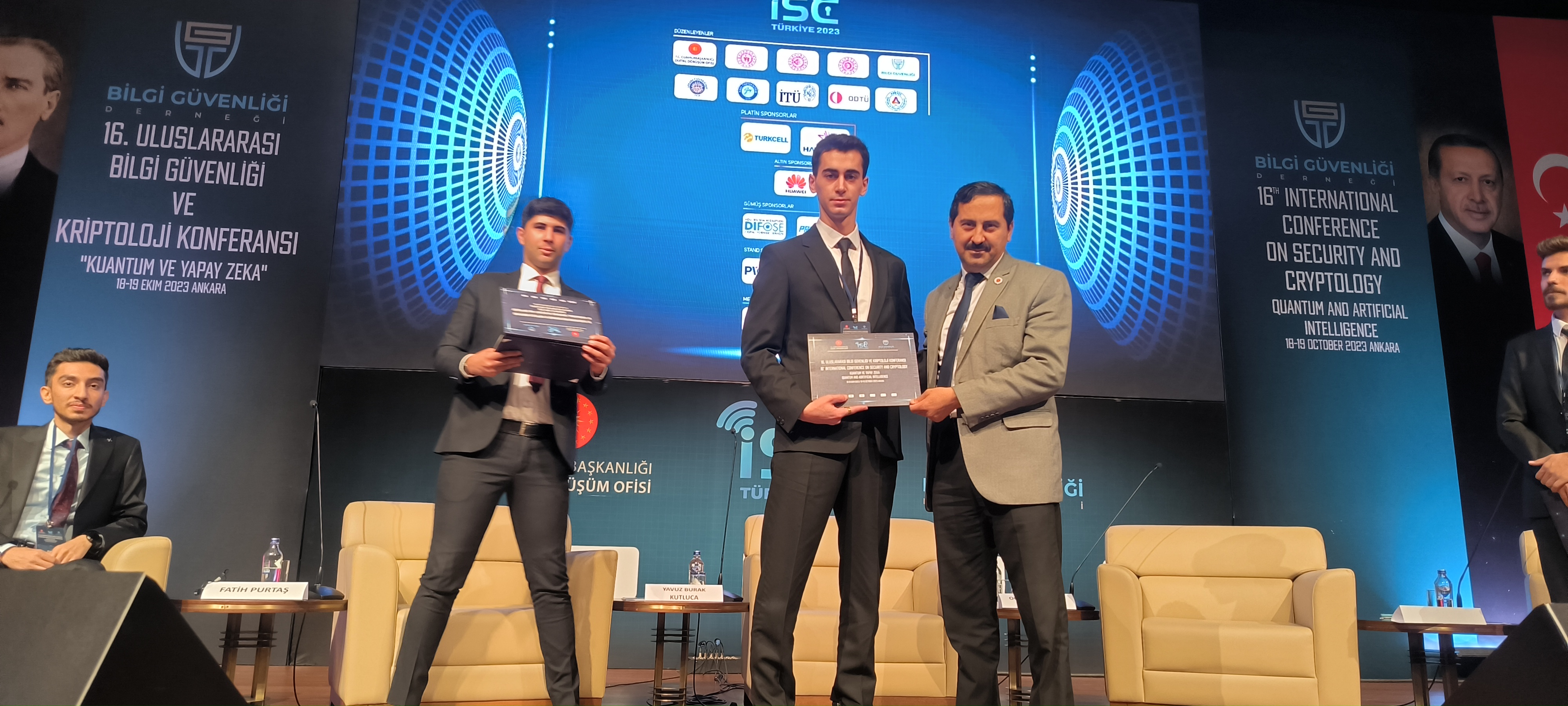
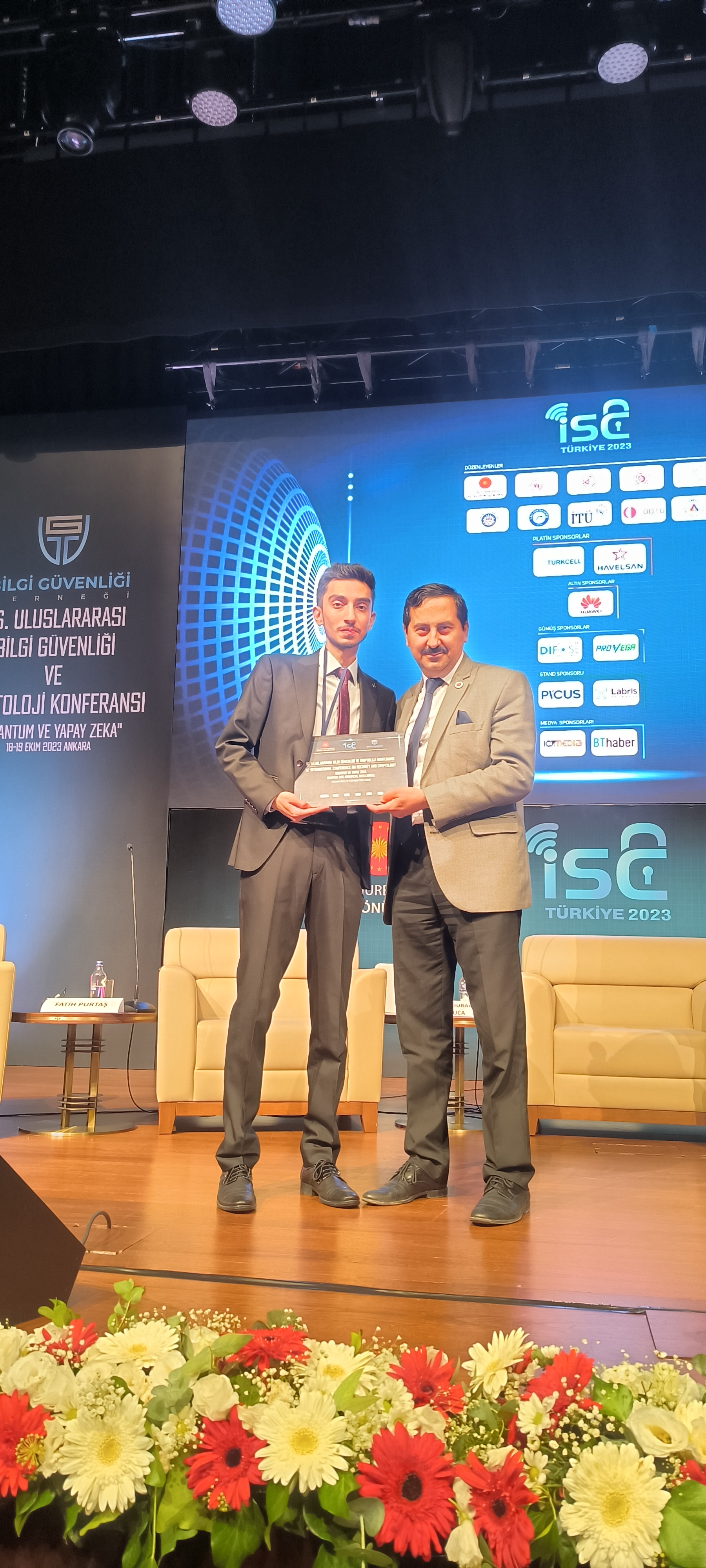
General Coordinator of Türkiye Cyber Security Cluster, for their contribution to the cyber security ecosystem. Alpaslan Cutter He presented a certificate of appreciation.
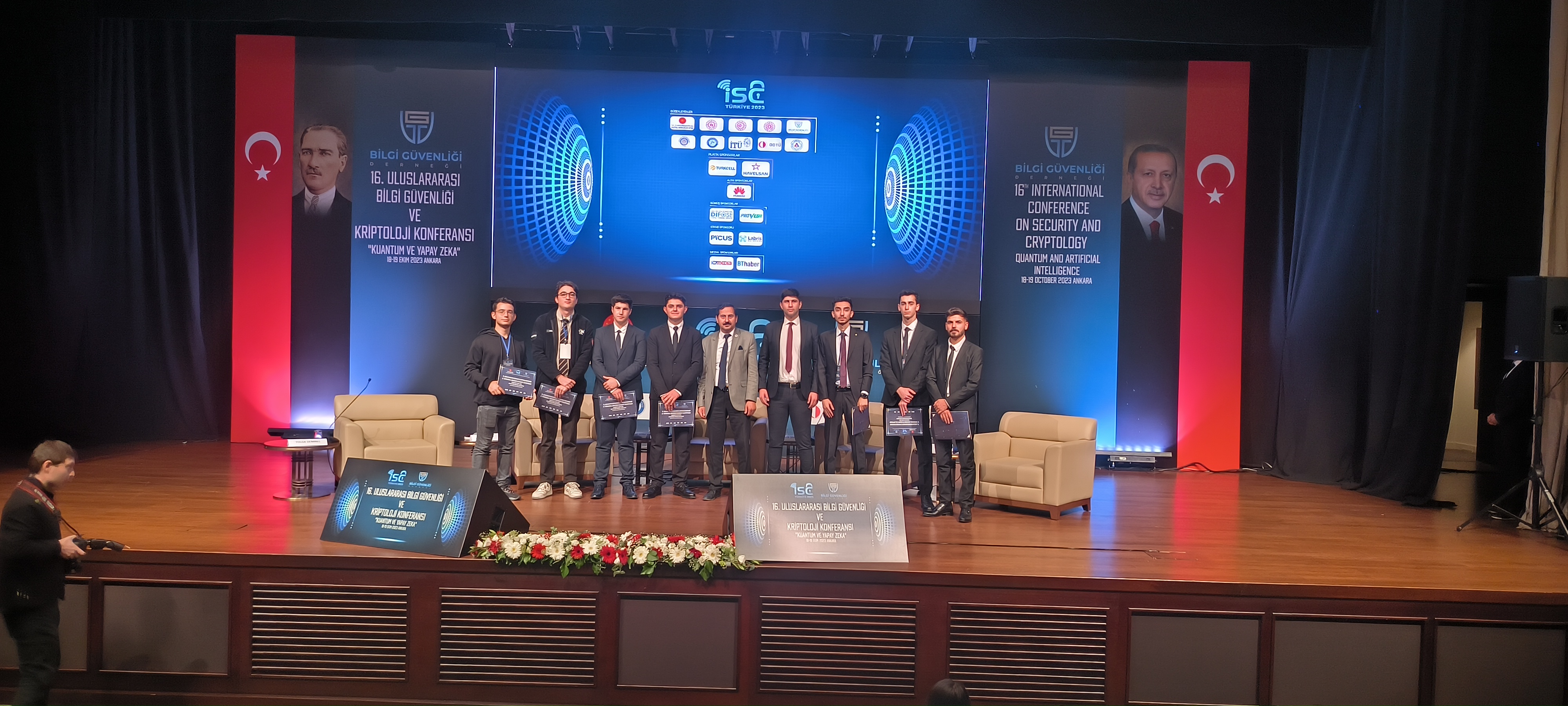
My sessions ended with a souvenir photo.
Gallery